 info@10xmhub.com
 +971522527368


What is Ejari and Why is It Mandatory in Dubai?
Published on : August 3, 2026
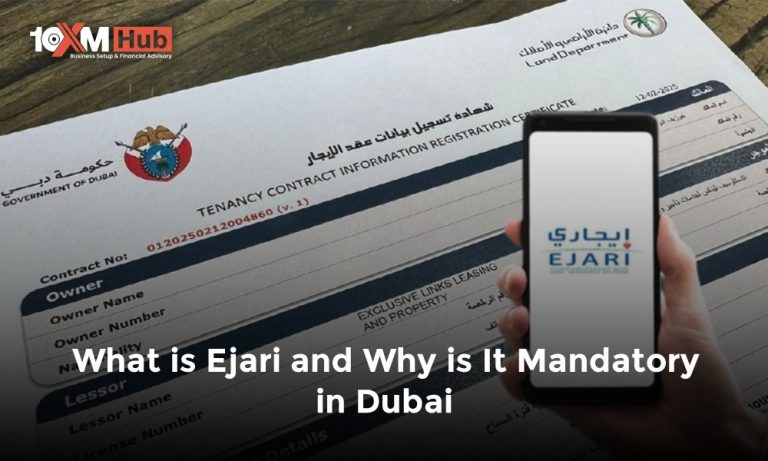
Dubai’s rental market moves fast, but clear, centralised laws keep both sides protected. If you are moving into a new apartment or opening a Mainland business, Ejari is one of the first things you need to handle.
Far from being just another piece of paperwork, this registration is the cornerstone for setting up your life, home, or company in the emirate. Without it, your transition to a new space can come to a halt. Below is a practical breakdown of what Ejari UAE is, why the government makes it mandatory, and how you can complete the process without the complexities.
Ejari literally means “My Rent” in Arabic. This is a centralised registration system established by the RERA under the Dubai Land Department (DLD). Introduced to bring complete clarity to the market, it was designed to regulate the relationship between landlords and tenants across Dubai.
The system digitises and regulates rental transactions, ensuring that each lease is recorded into a government-approved system that is binding. By assigning a unique certificate number that is traceable to every tenancy contract, Ejari makes your agreement verifiable, transparent, and enforceable by government authorities.
In Dubai, registering your lease via Ejari is a strict requirement. Without a valid Ejari certificate, the day-to-day operations of managing a household or running a business can become difficult.. Here is why the system is mandatory and how it impacts you:
How to Register Ejari in Dubai?
The government has both digital and physical channels to register your lease. Tenants, landlords, or legal representatives can complete the process using either mobile applications or service centres.
The DLD offers a digital route through web and mobile channels. This self-service method is integrated and processes applications on the same day.
The Dubai REST App is the digital application managed by the DLD for real estate transactions. Users authenticate securely via their UAE Pass to sync identity profiles, log contract details directly from the paper lease, and upload the required PDF agreements.
Because this workflow varies significantly depending on whether the tenant, landlord, or an agent raises the request, handling the application’s approval loop can become tricky. The system requires real-time coordination between both parties, including digital property linking via DEWA numbers and subsequent landlord sign-offs, before the final certificate is issued to the app’s digital wallet.
Note: For corporate entities, property managers, or individuals who prefer using a computer, the DLD E-Services Portal mirrors the mobile application workflow.
In-Person (Offline) Registration
Offline registration is necessary and vital if the property owner does not have a UAE Pass, if technical errors happen during the digital process, or if a third-party PRO is handling complex commercial filings.
Real Estate Services Trustee Centres
Commonly referred to as approved typing centres, these are service centres scattered throughout major districts in Dubai.
To avoid delays or application rejections, verify that all identification is valid and unexpired. Prepare the following documents:
For remote applications: A notarised POA if a third-party agent or PRO is handling the submission
Fees/Costs for Ejari Registration
The overall cost of registering or renewing your Ejari depends on the service channel. The government rewards digital adoption by offering lower costs for applications completed online. Conversely, an in-person trustee centre means localised partner management and administrative typing fees.
The Cost Breakdown* by Channel
Online Registrations (Dubai REST App / DLD Website)
Opting for digital registration is economical because it involves lower service fees. The fee structure totals approximately AED 175. This final amount includes:
In-Person Registrations (Real Estate Services Trustee Centres)
*The costs are indicative and subject to change at the discretion of the relevant authorities.
Registering your Ejari is the safeguard for your tenancy and rights in Dubai. Whether you are settling into a new home or launching a Mainland company, staying compliant with these regulations ensures a smooth move. For hassle-free coordination and end-to-end guidance through your corporate registration journey, contact the expert consultancy team at 10XMHub. We can guide you through each step and explain why and how your Ejari matters, along with company setup assistance.


Share this post :





Turn your network into opportunity. Refer clients to 10XMHub and earn substantial rewards for every successful business setup. We handle your referrals with premium support; you gain trusted commissions and long-term partnership benefits.
Please share your details and we’ll contact you shortly.



